65
Butterflies
09
Molluscs (Snails and Clams)
10
Mammals
10
Amphibians (Frogs and Toads)
21
Reptiles
50
Fishes
212
Birds
141
Plants
65
Butterflies
09
Molluscs (Snails and Clams)
10
Mammals
10
Amphibians (Frogs and Toads)
21
Reptiles
50
Fishes
212
Birds
141
Plants
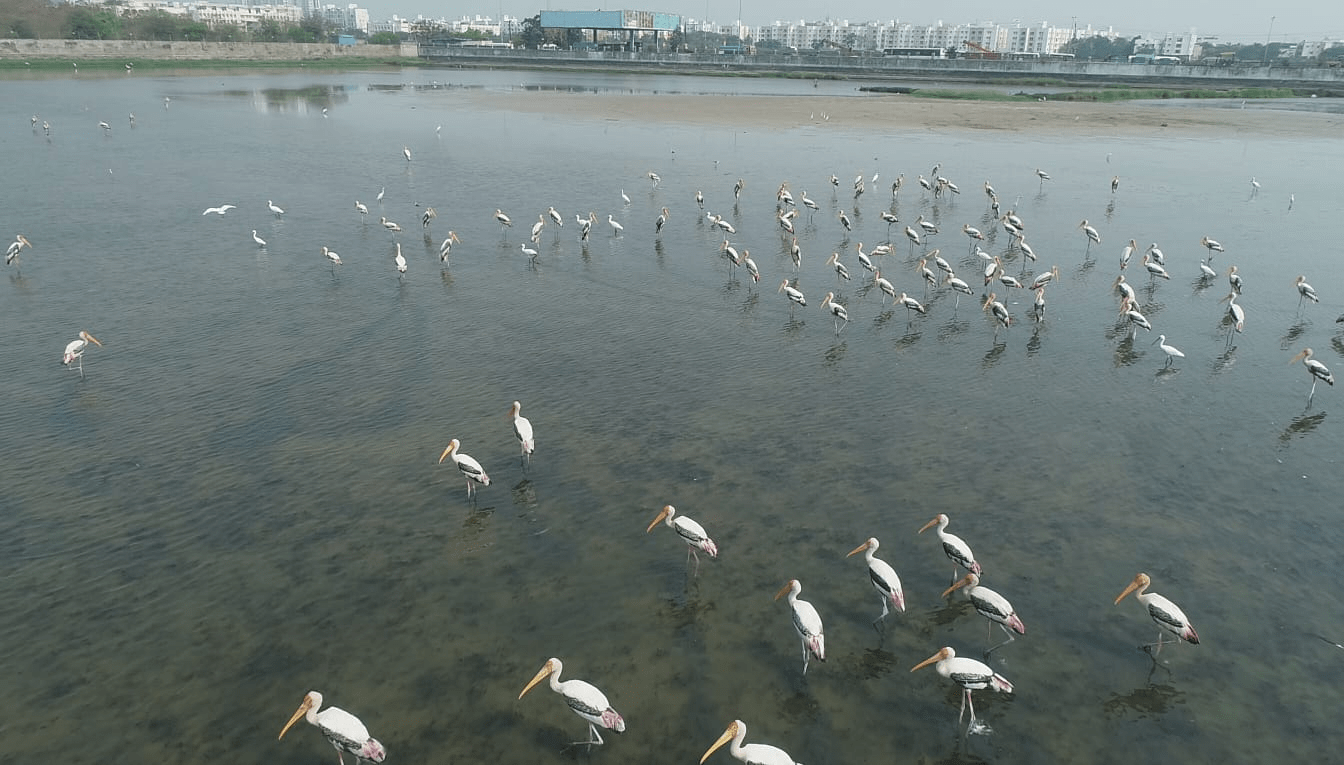
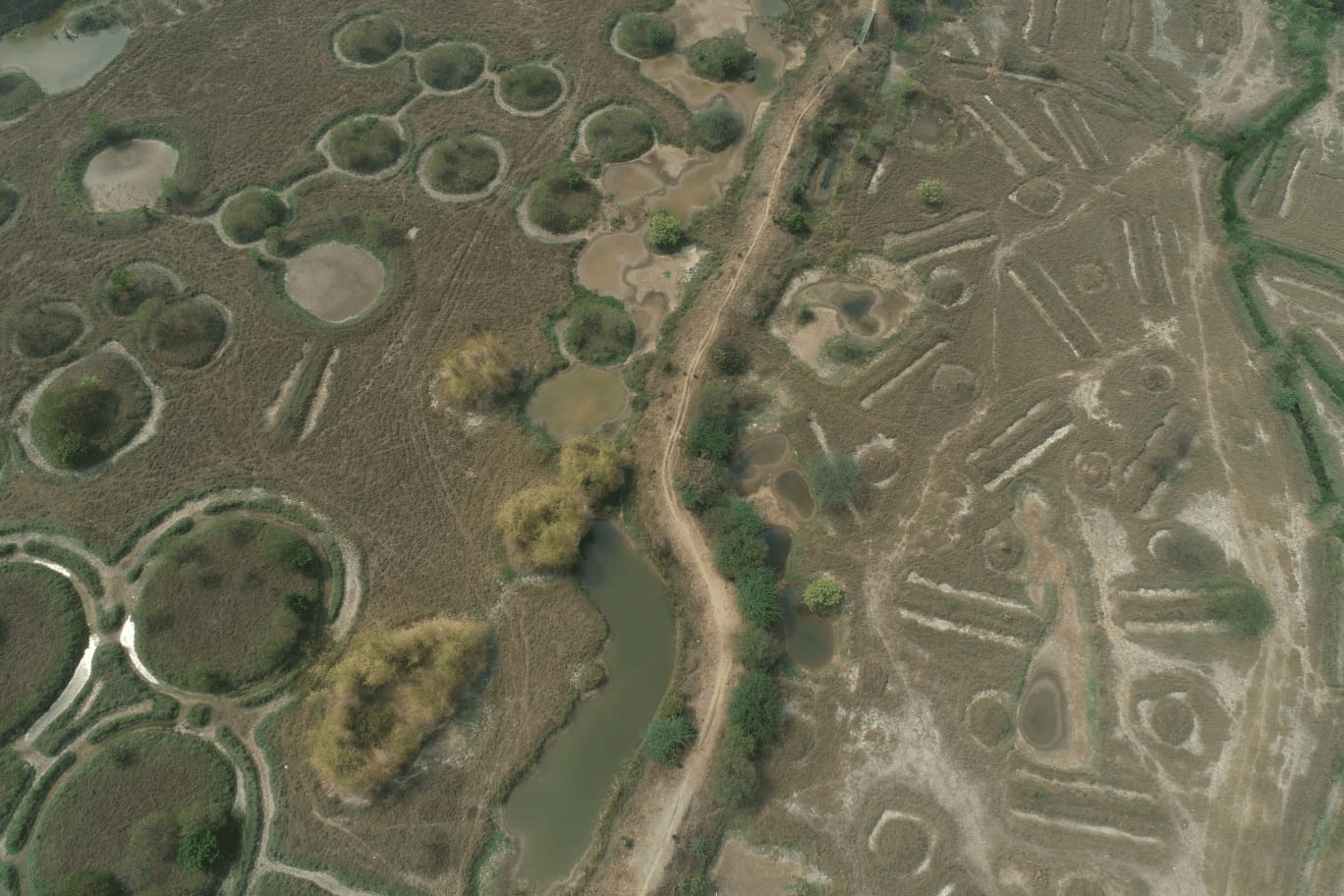
Life in and around the Pallikaranai Marsh is contributed equally by its delicately balanced hydrology and resultant biodiversity. The natural geo-chemical cycles of the Marsh, although considerably disturbed by highly transformative human interference such as waste disposal and heavy footprint habitation and the associated infrastructure development, continue to sustain its unique hydrology and biodiversity. Heterogeneous landscapes are known to support greater biodiversity than landscapes that are monotonous. The watershed-landscape that cradles the Pallikaranai Marsh is a mosaic of freshwater, brackish water, estuarine conditions, beaches, sea, wooded plains and hillocks. There has been a steady increase in the diversity of birds and their populations in the past 10 years. While the obvious sign of resilience has been the overall increase in birds, the abundance of fish-eating birds has dramatically increased, which is an indication that the underwater biodiversity is also resilient and the ecological web that sustains the Pallikaranai Marsh is relatively intact.
Open water pockets that attract diving water birds such as Coots, Cormorants, Grebes and some ducks.
Islands and mounds are suitable habitat for ducks like Teals and Pintails.
Shallow waters and mud flats are suitable for larger water birds with long legs and bills such as the Egrets, Pelicans, Herons, etc.
Emergent sedges, reeds and grassy bank areas attract Ducks, Moorhens, Coots Ibises and Herons.